
Author: Admin
-
Foreshadowing: Drop Hints, Build Suspense
Literally speaking, foreshadowing is a hint of things to come. Foreshadowing happens when the author drops hints or clues about future events in a story, helping build suspense. Foreshadowing is easier to spot during second and subsequent reads. This is because the reader already knows the ending, and can connect the dots. In chapter 2…
-
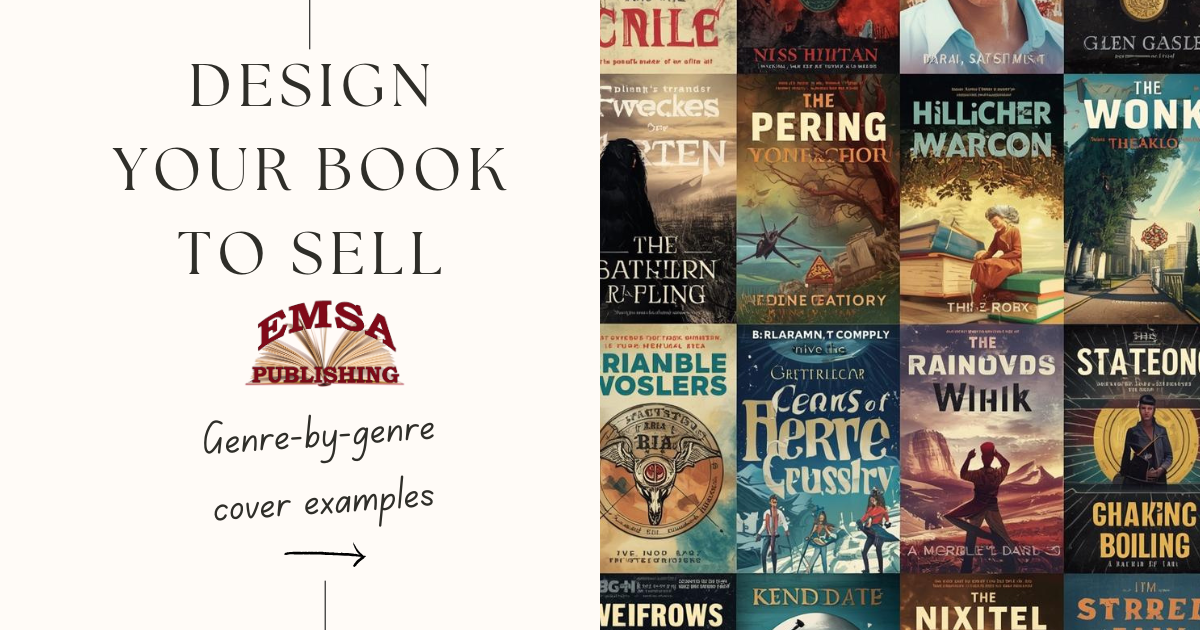
Yes, Readers Judge Your Book by Its Cover
It’s a cruel twist of irony. Your book’s cover is the first thing potential readers see before they decide to buy your book, making it the most effective marketing tool you have. Your book cover should convey your book’s theme and genre at a glance. It should also look like you’ve put time and care…
-

Top 3 Formatting Mistakes Made by Indie Authors
As a self-published author, your book is in competition with over 2.6 million other self-published books. Your book will appears alongside more than 560,000 traditionally published books. When I talk about traditional publishers, I mainly refer to “Big 5” publishing conglomerates (Penguin Random House, HarperCollins, Simon & Schuster, Hachette Book Group, and Macmillan) that have…
-

Active vs. Passive: Strengthen Your Writing One Sentence at a Time
Editors often warn writers to avoid passive voice at all costs. But here’s the problem: many people confuse passive voice with any sentence using the verb to be. However, the Chicago Manual of Style (CMOS) says, “while passive voice often includes a form of to be, not every sentence using a ‘be-verb’ is automatically written…
-

New Release: “Mental Doughnuts – Overcoming Unhealthy Thoughts”
In Mental Doughnuts, bestselling author Christine Tate presents a transformative approach to tackling negative thought patterns through the lens of faith. Drawing on biblical principles and psychological insights, this book offers a practical guide to identifying, challenging, and replacing detrimental thoughts that hinder spiritual growth and emotional well-being. Using relatable anecdotes and scripture-based wisdom, Christine Tate…
-

Setting Writing Goals & Creating a Writing Schedule
Writing is both an art and a discipline. Though creativity fuels the process, structure and commitment ensure you reach your goals. As a matter of fact, whether you are a novice writer or a seasoned author, it is important to set clear writing goals and crafting a realistic schedule to achieve your dreams. The importance…
-
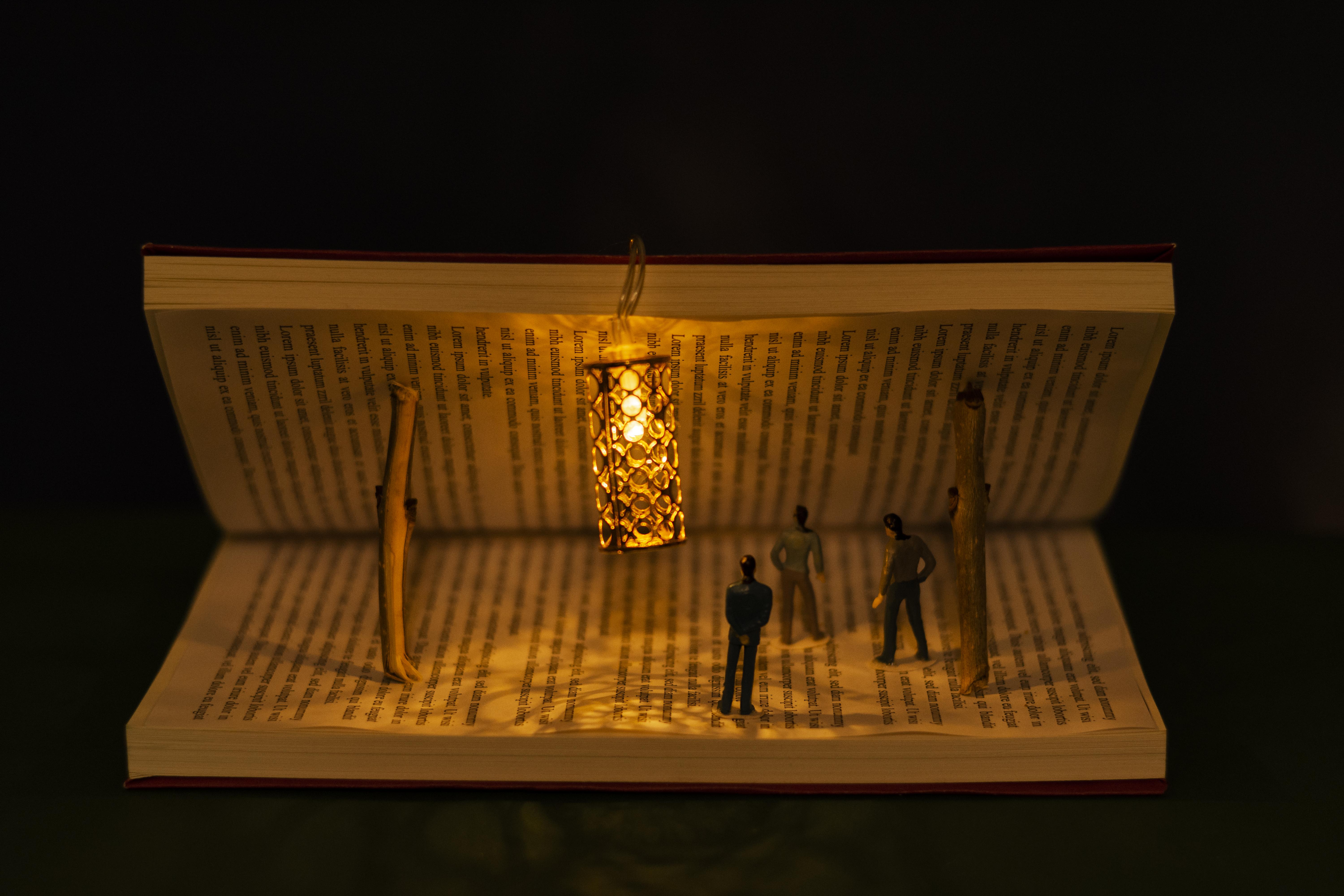
Setting to Enhance Your Story
What is setting? Setting refers to the time and place in which a story takes place, but it can be so much more than that. You can used setting to create a sense of atmosphere and mood. With your setting, you can reveal information about characters and their motivations, and add depth and meaning to…
-
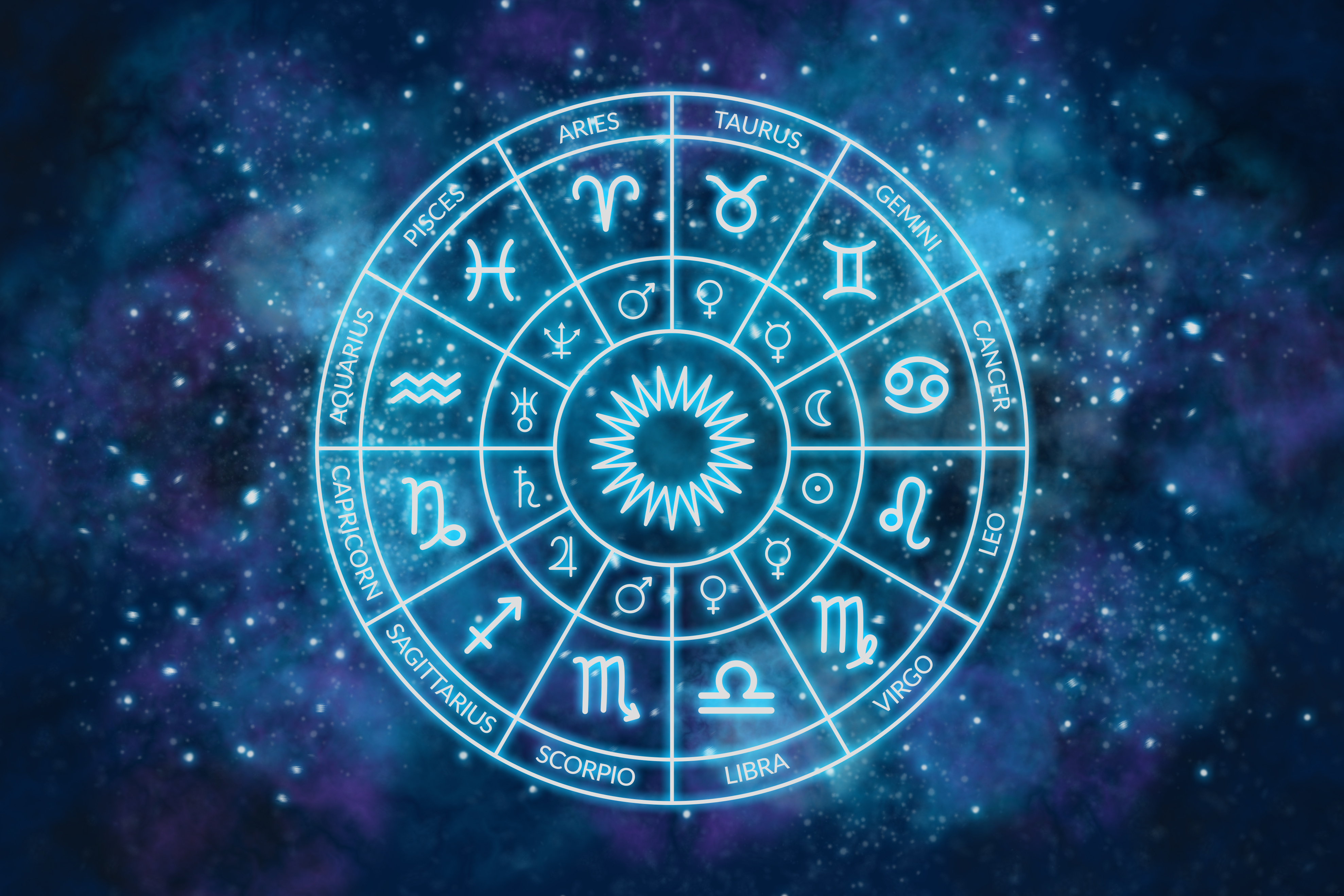
Symbolism: A guide for writers
Symbolism is a powerful tool for a writer, adding depth, evoking emotion, and creating a memorable reading experience. Understanding and using symbolism can elevate your storytelling and help readers connect with your work on a deeper level. This blog post discusses symbolism, what it is, how it works, and how you can use it in…
-

Metaphors in Fiction: A Guide to Painting Pictures with Words
Metaphors are more than a literary device you learned about in high school English class. They can create instant and vivid images in your readers’ minds by directly comparing two unlike things (without using “like” or “as”). They state that something is something else and make surprising, insightful, and interesting connections. For example, if you…
-

Technology and the Self-Publishing Industry
Self-publishing has come a long way in recent years, and it has technology to thank. Ebooks and print-on-demand services have made self-publishing more accessible and cost-effective than ever before. This has led to a rise in the number of self-published authors. It has also changed the way traditional publishing companies operate. Bypass traditional publishers One…