
Author: Admin
-
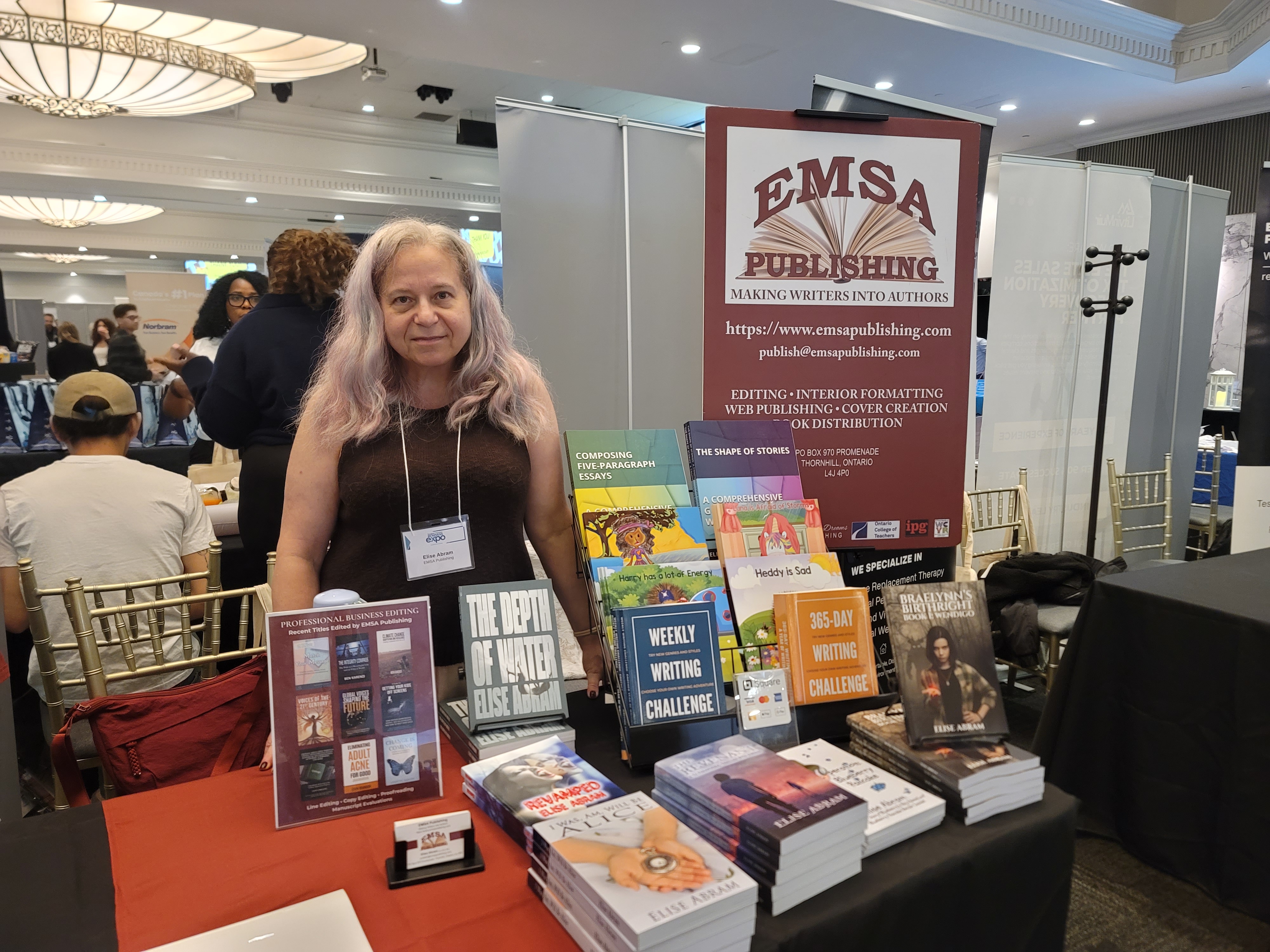
Vaughan Chamber Business Expo
On 15 September 2026, EMSA Publishing was at the Vaughan Chamber of Commerce (VCC) Business Expo. The keynote speakers, Dan Tzotzis, Natalie Benitah, and Erex Zevulunov were informative and interesting. It was awesome getting to meet some local business owners at my first ever event with the VCC. As a local small business owner, I’m…
-

Dialogue Punctuation Demystified
As an editor, I find that most writers understand how to write dialogue, but they often struggle with how to punctuate and format. This is particularly true when it comes to a few obscure dialogue conventions. When I pull those out of my editor’s toolkit, many authors are convinced I’ve made a mistake. I promise…
-
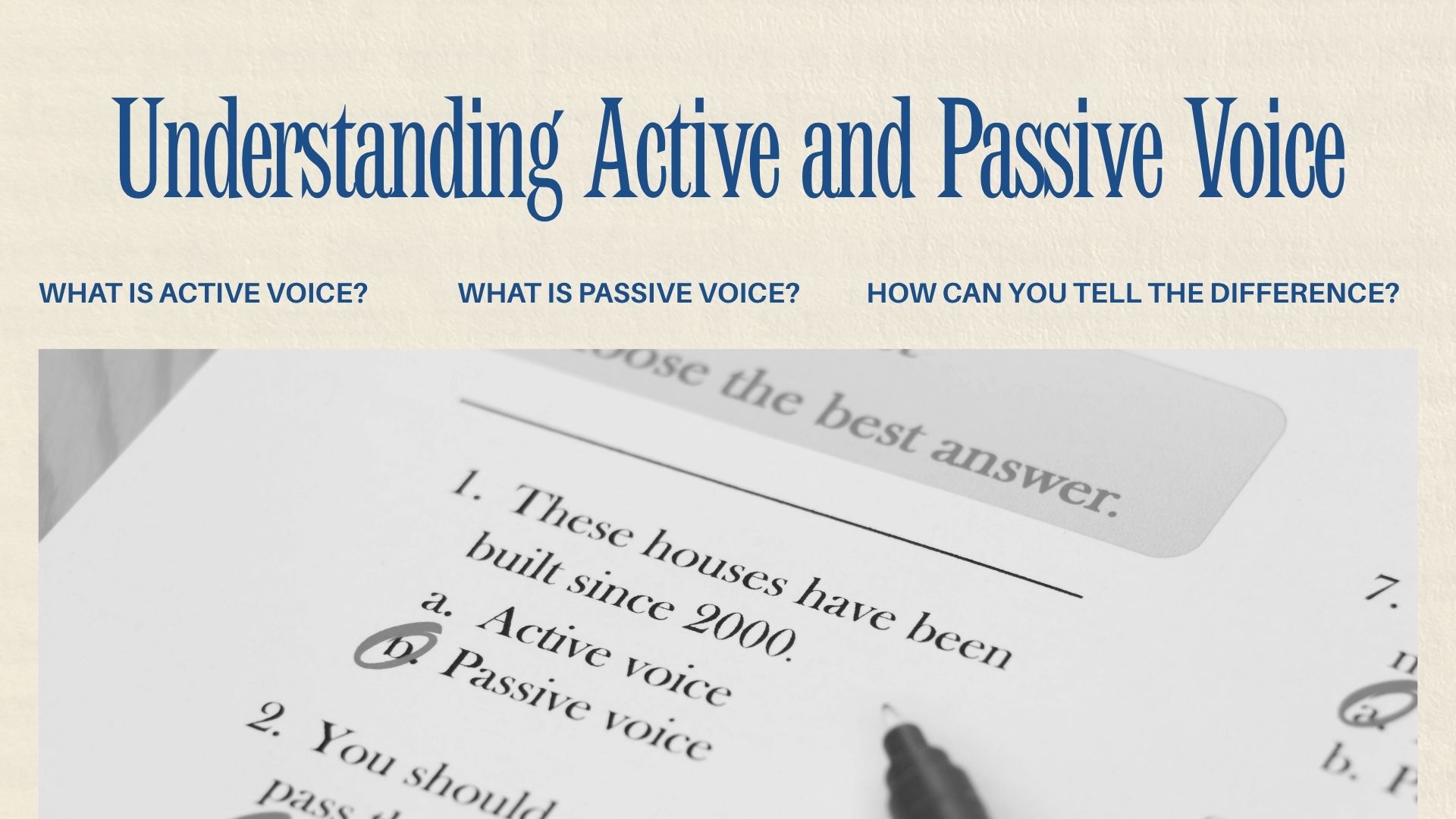
Understanding Active and Passive Voice
Narrative voice in literature can refer to the narrator or author’s emotions, attitude (e.g., formal or informal), tone (e.g., serious, lighthearted, witty, depressed), and point of view. Voice also helps establish the mood of a piece of writing. Grammatical voice refers to the relationship between the subject and the action in a sentence. Though they…
-

Congratulations, John Gamester
EMSA Publishing congratulates John Gamester on the release of his book, The Hunter: A Society Novel. The Hunter: A Society Novel by John Gamester 204 pages Buy on Amazon. When you stalk something that can’t die . . . you risk becoming what you hunt. For years, Jack has hunted the vampire who stole everything from him.…
-
Artificial Intelligence Terms and Conditions
In a recent workshop on self-editing, I mentioned how Artificial Intelligence could help streamline the process. Once I let the AI cat out of its bag, there was no putting it back. The conversation drifted to a discussion of Artificial Intelligence and the question of whether it wasn’t more hellhound that devoured your carefully constructed…
-

Congratulations, Hilary Jacob
EMSA Publishing congratulates Hilary Jacob on the release of her book, Match Your Message. Match Your Message by Hilary Jacob Business writing • Workplace communication skills • Professional development 204 pages (approx. 28,500 words) Buy on Amazon. Worried your writing doesn’t sound professional? Match Your Message: A checklist, strategies, and tips for writing that reflects…
-
Is Self-Publishing Easier in the US or Canada?
Key differences Canadian self-publishers should know Someone asked me this question the last time I presented my workshop, “Self-Publishing for First-Time Authors.” My first response was simple: it’s exactly the same. A few minutes later, I had to change my answer. Self-publishing in Canada isn’t harder than in the US, but it is slightly different.…
-

Read Like a Writer
Fix your manuscript by studying mentor texts My latest work-in-progress (WIP) had me stumped. I loved most of the book, but the beginning had me second-guessing myself. It wasn’t the plot as much as it was the writing. I thought I was introducing my world to my audience, but it fell flat. Try as I…
-

Building a Unique Distribution Network
As a self-published author Congratulations! You’ve completed your first book! Now comes the challenge: self-publishing. Where will you post it for online distribution? There are many places to sell your book online, but where should you start? What should you consider before deciding which sites to use? Is it better to cast a wide distribution…
-

Foreshadowing: Drop Hints, Build Suspense
Literally speaking, foreshadowing is a hint of things to come. Foreshadowing happens when the author drops hints or clues about future events in a story, helping build suspense. Foreshadowing is easier to spot during second and subsequent reads. This is because the reader already knows the ending, and can connect the dots. In chapter 2…