
Category: Writing Tips
-

Dialogue Punctuation Demystified
As an editor, I find that most writers understand how to write dialogue, but they often struggle with how to punctuate and format. This is particularly true when it comes to a few obscure dialogue conventions. When I pull those out of my editor’s toolkit, many authors are convinced I’ve made a mistake. I promise…
-
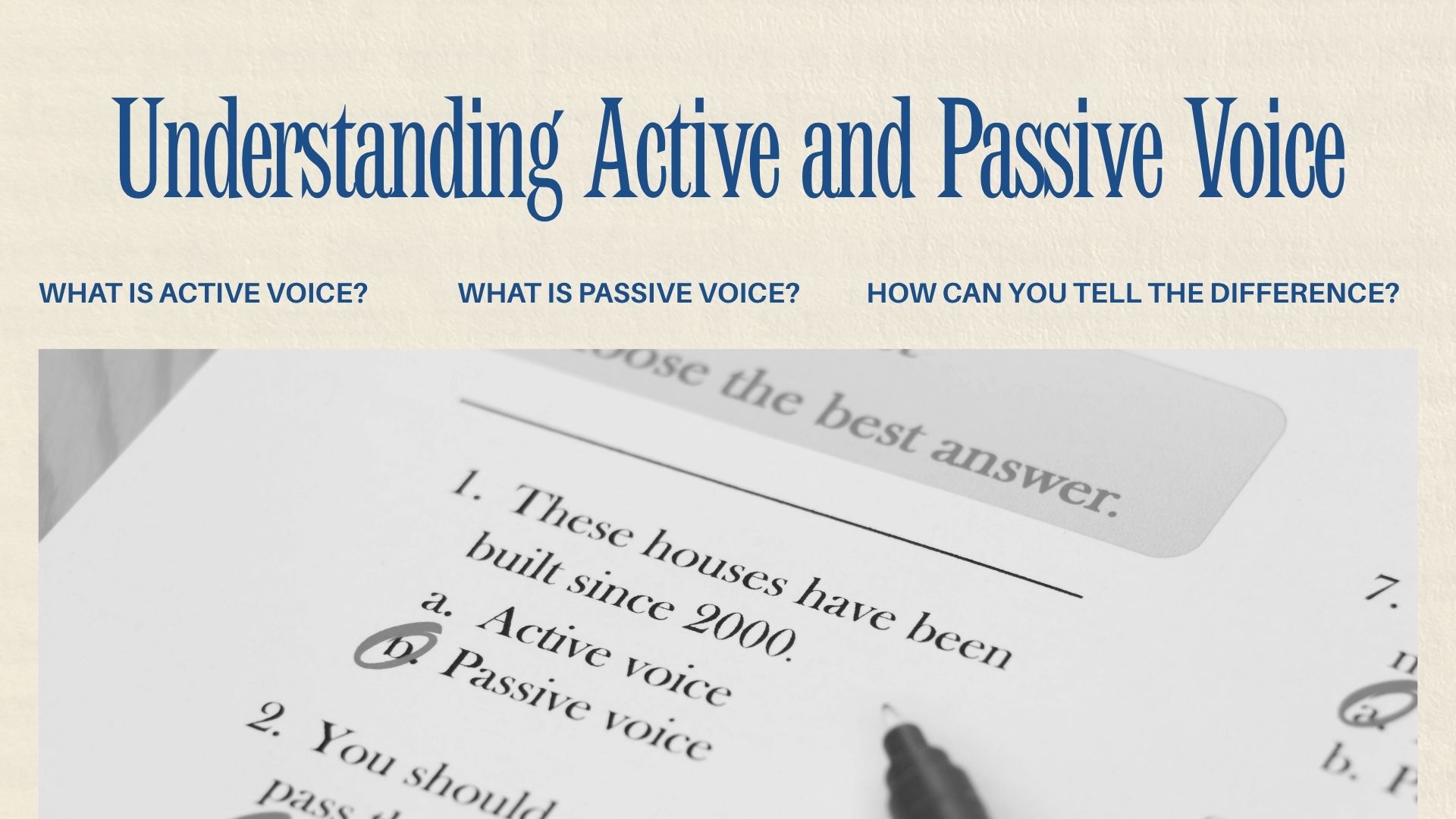
Understanding Active and Passive Voice
Narrative voice in literature can refer to the narrator or author’s emotions, attitude (e.g., formal or informal), tone (e.g., serious, lighthearted, witty, depressed), and point of view. Voice also helps establish the mood of a piece of writing. Grammatical voice refers to the relationship between the subject and the action in a sentence. Though they…
-
Artificial Intelligence Terms and Conditions
In a recent workshop on self-editing, I mentioned how Artificial Intelligence could help streamline the process. Once I let the AI cat out of its bag, there was no putting it back. The conversation drifted to a discussion of Artificial Intelligence and the question of whether it wasn’t more hellhound that devoured your carefully constructed…
-

Read Like a Writer
Fix your manuscript by studying mentor texts My latest work-in-progress (WIP) had me stumped. I loved most of the book, but the beginning had me second-guessing myself. It wasn’t the plot as much as it was the writing. I thought I was introducing my world to my audience, but it fell flat. Try as I…
-

The Dos and Don’ts of Naming Characters
What every writer needs to know about naming characters JK Rowling knew what she was doing when she named her characters. Harry, for example, is derived from Henry, “a name which was favoured by many an English king.” Dumbledore’s first name, Albus, means white, the colour of his beard. In iZombie, Liv Moore’s name is…
-
The Art of the Paragraph Break
Why it matters more than you think Knowing when to break a paragraph in fiction writing can be confusing. In my editing practice, I often split up longer paragraphs and combine shorter ones to improve flow. As an author, I’ve only recently begun to experiment with smaller, more frequent breaks to help punctuate my narrative.…
-
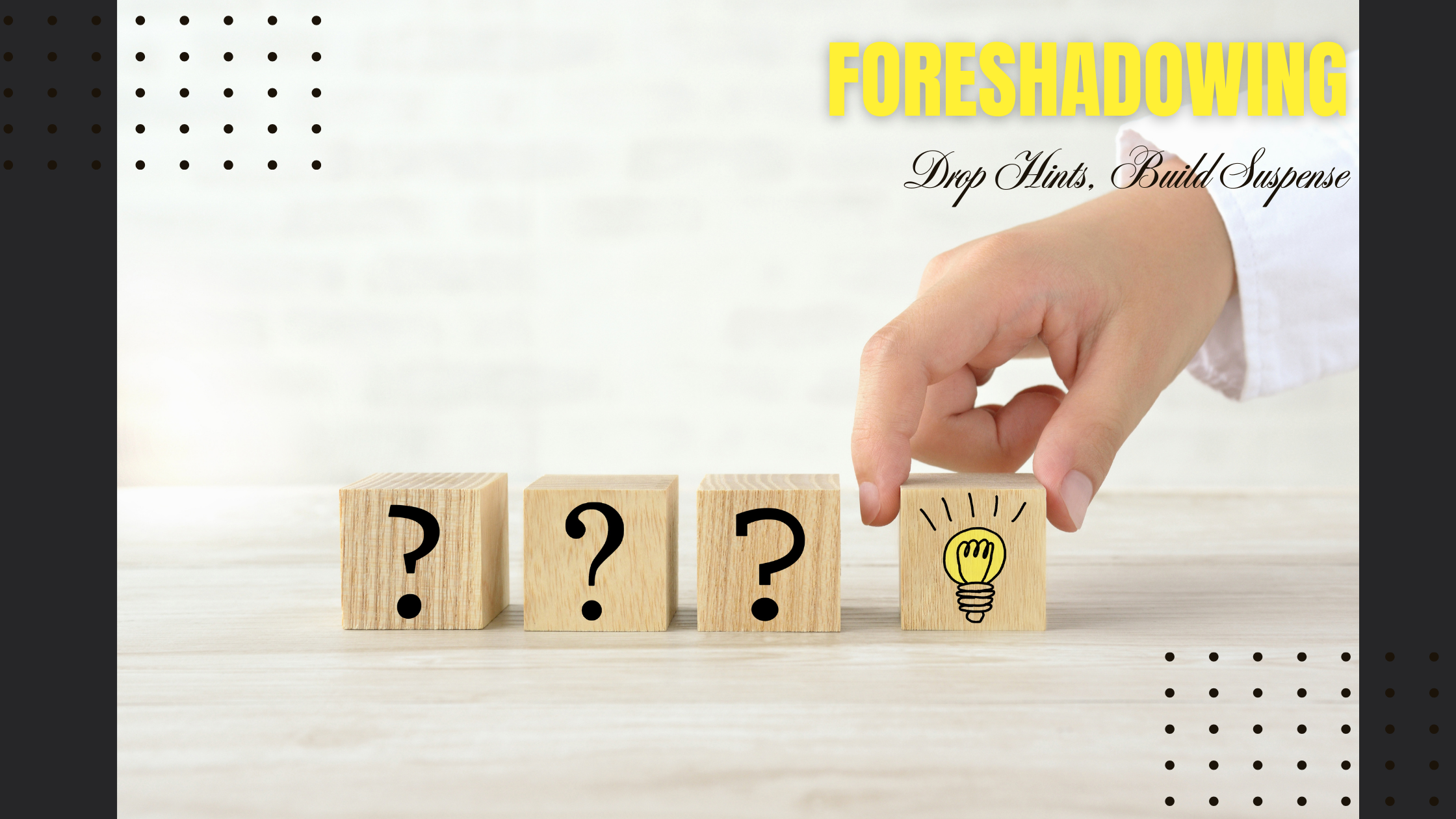
Foreshadowing: Drop Hints, Build Suspense
Literally speaking, foreshadowing is a hint of things to come. Foreshadowing happens when the author drops hints or clues about future events in a story, helping build suspense. Foreshadowing is easier to spot during second and subsequent reads. This is because the reader already knows the ending, and can connect the dots. In chapter 2…
-
The power of a strong premise: How to develop a compelling idea for your novel
When writing a story, a strong premise is the foundation of a great novel, driving the story forward and grabbing your reader’s attention by promising an engaging and satisfying read. The question is: how do you come up with a compelling premise for your novel? A good premise should: Once you have a general idea…
-
Writers’ Corner Workshop: What it means to show and not tell
Join me at the RHPL on March 6 and April 3 for a Writers’ Corner workshop on what it means to show and not tell. What is meant by “showing” versus “telling” and how can you tell the difference? Is it ever okay to “tell?” Is there such a thing as showing too much?…
-
Writing for different age groups
Crafting stories for children, YA, and adult audiences Writing for different age groups is a challenging task that requires a different approach for each target audience. Children, young adults (YA), and adult audiences all have different interests, reading levels, and attention spans. This blog post explores the different elements that go into crafting stories when…